I used to love the freedom Spotify and similar music streaming platforms had promised. I had access to a vast music collection everywhere for a small amount of money. Then I realized that the freedom offered was rather an illusion.
I spent long hours putting together playlists on Spotify to listen to my favorite music and share it with friends. Until one day I noticed that tracks started to disappear from the playlists because of whatever licensing issues Spotify had with the respective labels.
I also concluded that I didn’t want to depend on a paid service for the rest of my life just to be able to listen to music. I want to own a digital copy of the music. Furthermore, I want to be able to listen to my music without internet connection and even if I go poor.
Finally, I do want to support artists and make sure that the money would go to them.
Today I use Bandcamp to explore and purchase music. About 80% of the artists' income received through Bandcamp goes directly to the artists. You can download your music in high quality. Bandcamp is a great platform to discover new music and receive the updates of the artists you follow.
In 2021, we agreed with my partner that each month we’d purchase one new album. We’re still doing it up to date.
2021
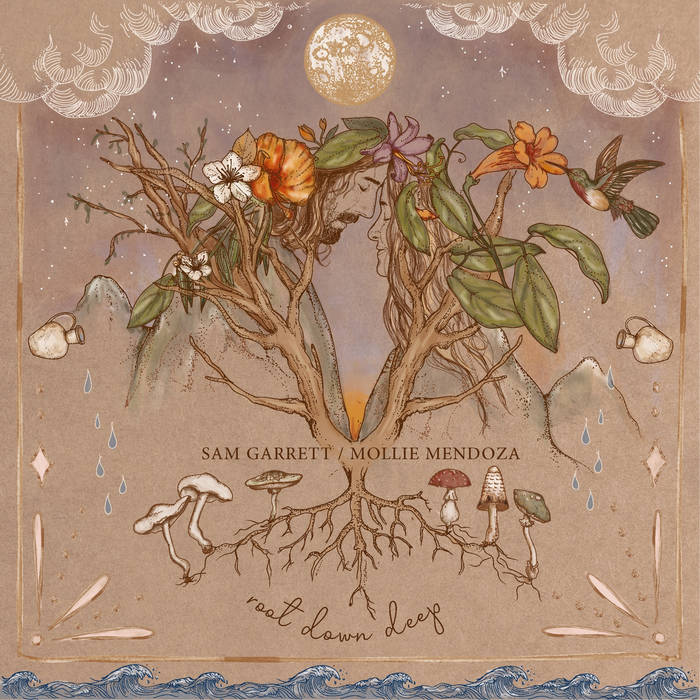
Sam Garrett, Mollie Mendoza: Root Down Deep 
Aldous Harding: Designer 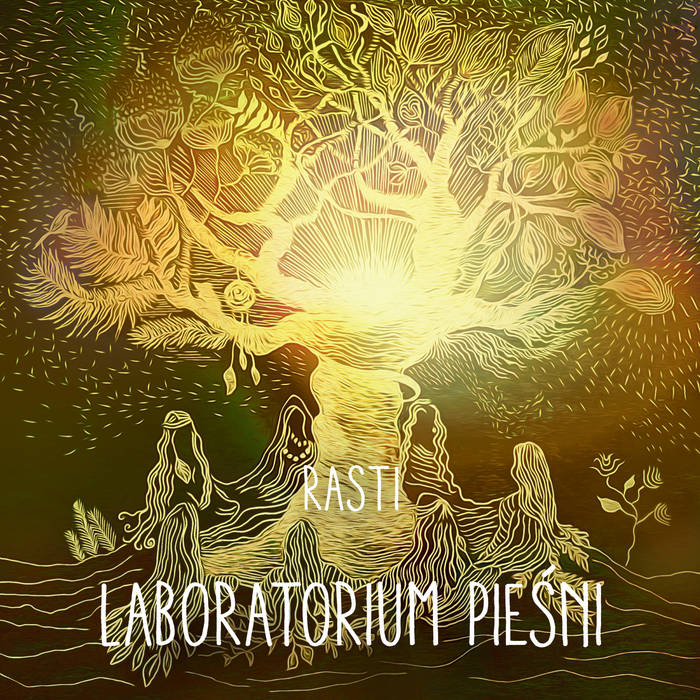
Laboratorium Pieśni: Rasti 
Belako: EURIE 
Dawn of Midi: Dysnomia 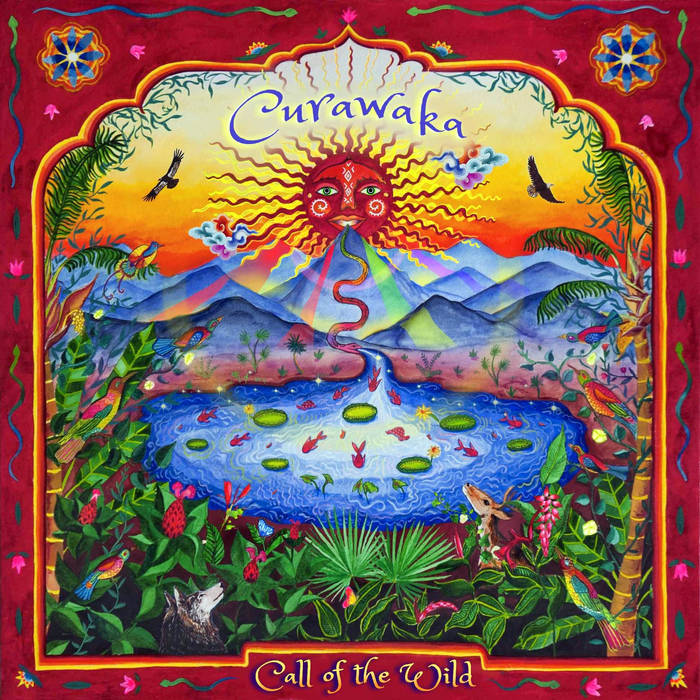
Curawaka: Call of the Wild 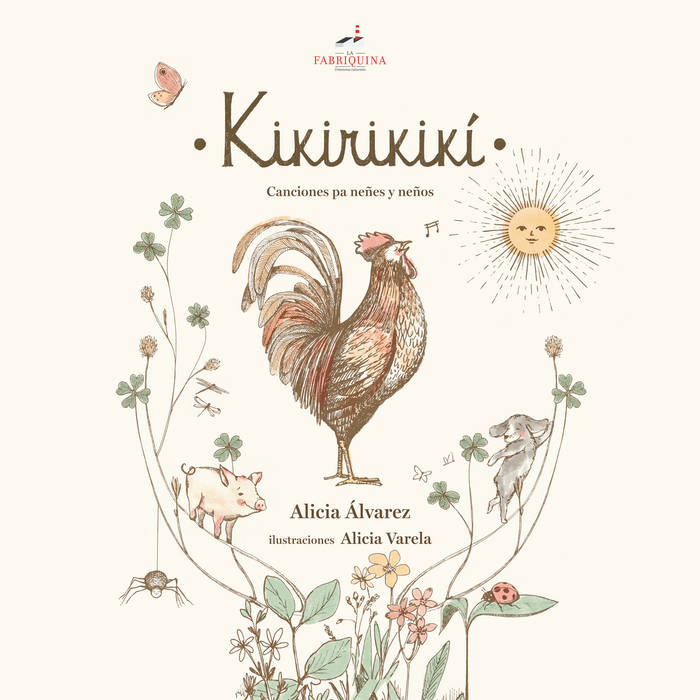
Alicia Álvarez: KIKIRIKIKÍ 
Ignacio Maria Gomez: Belesia 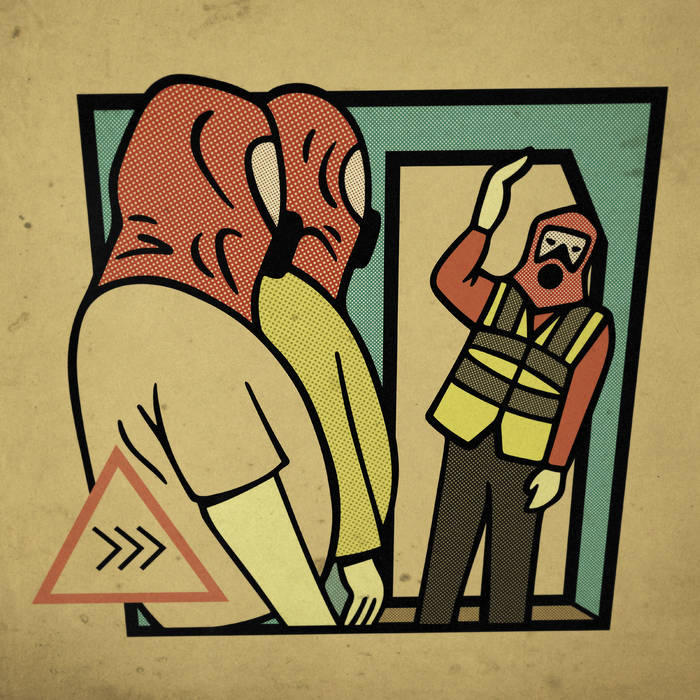
Beak>: >>> 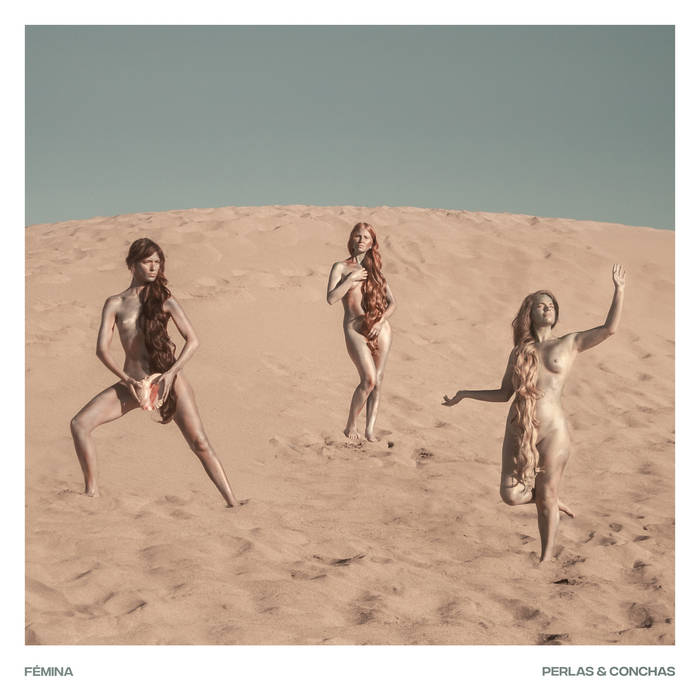
Fémina: Perlas & Conchas
2022
-
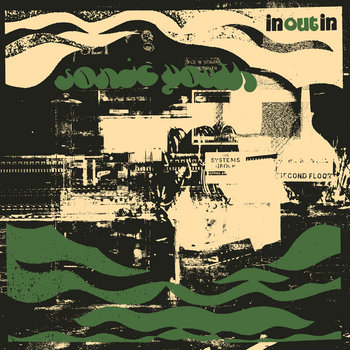
Sonic Youth: In/Out/In -
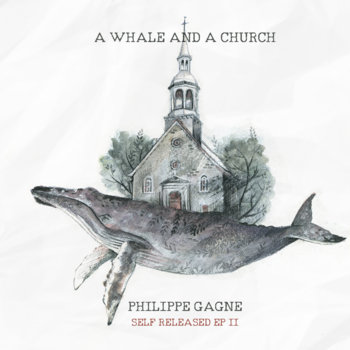
Philippe Gagne: A Whale and a Church -
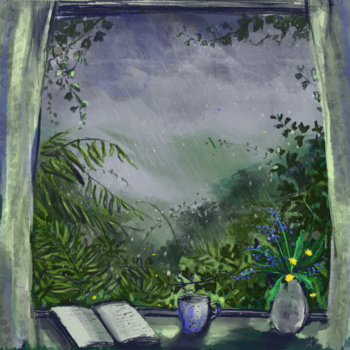
Kyle van der Laan: Rain Music -
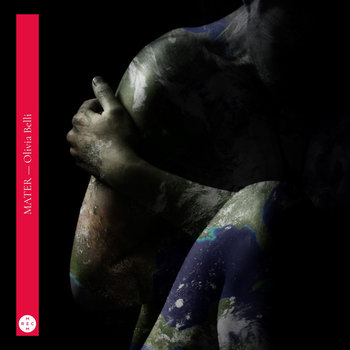
Olivia & Enrico Belli: MATER -

Echoes in the Valley: Echoes in the Valley Vol. 2 -

Rainer Scheurenbrand: diosana -

Hearthfire: Hearthfire -

Muzsik és Volkova: Muzsik és Volkova - Soha jobbkor -
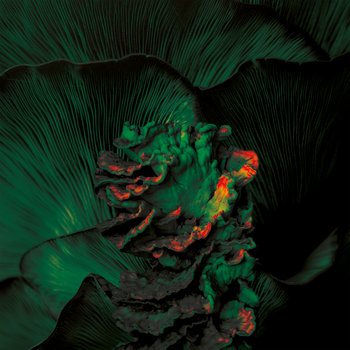
Ameli Paul: Mycelia -

Meszecsinka: Árnyék | Shadow -
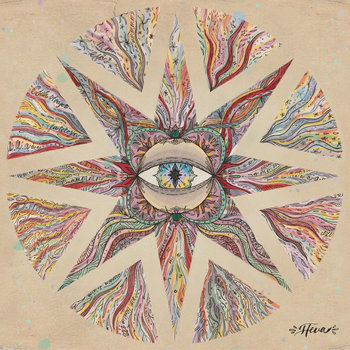
Дeva: Csillag -

Windsong Martin: Mother I Feel You -
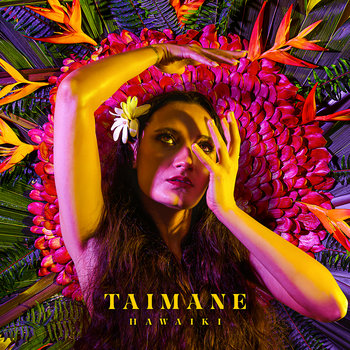
Taimane: Hawaiki -
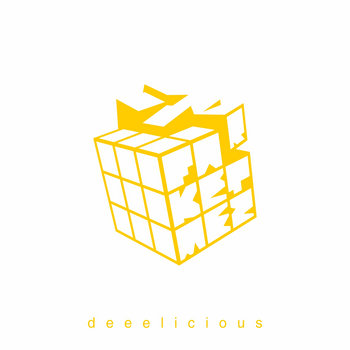
Farketmez: Deeelicious -
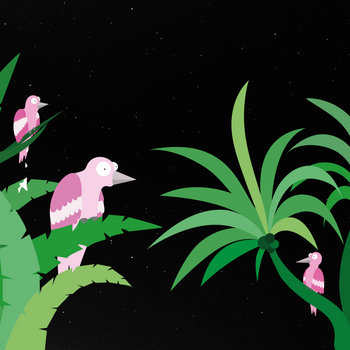
The Manueles: The Manueles -
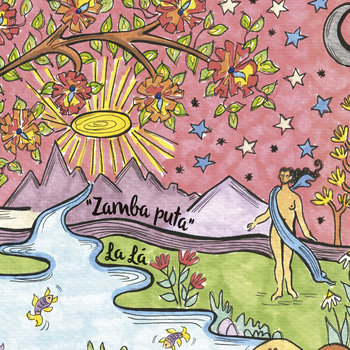
La Lá: Zamba puta -

Fókatelep: Ez lett a veszted -

Saigon Soul Revival: Họa Âm Xưa
2023
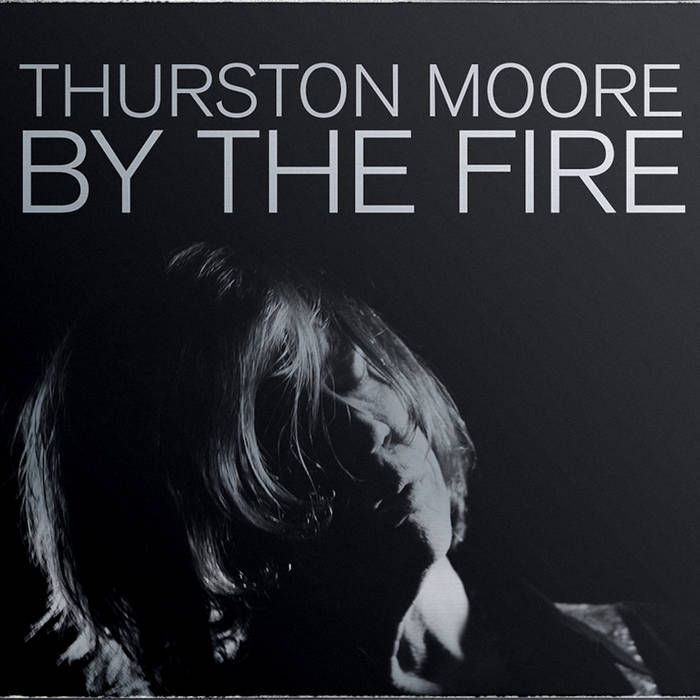
Thurston Moore: By The Fire 
Alicia Álvarez: Pulgarina 
Zoe Keating: Into The Trees 
Holnaplányok: Exeim a csicskáim 
CICADA: CICADA 
Formidable Vegetable: Permaculture: A Rhymer's Manual 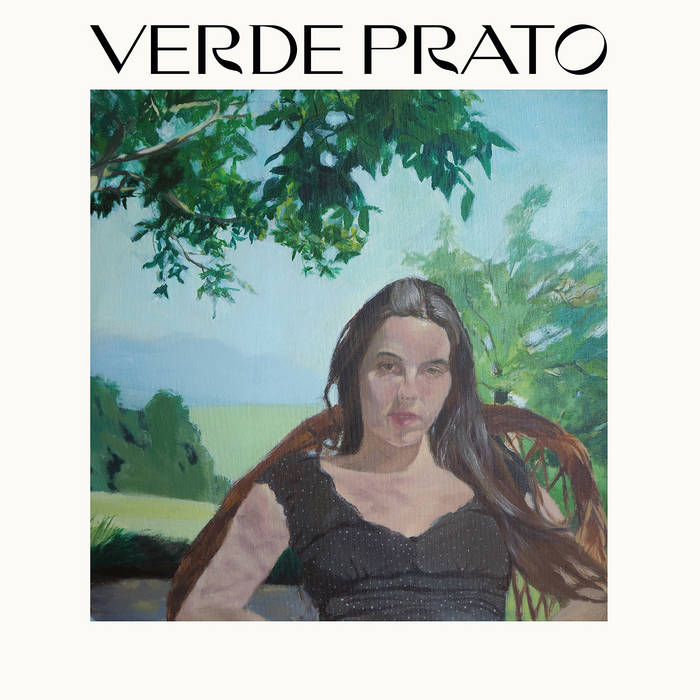
Verde Prato: Kondaira Eder Hura 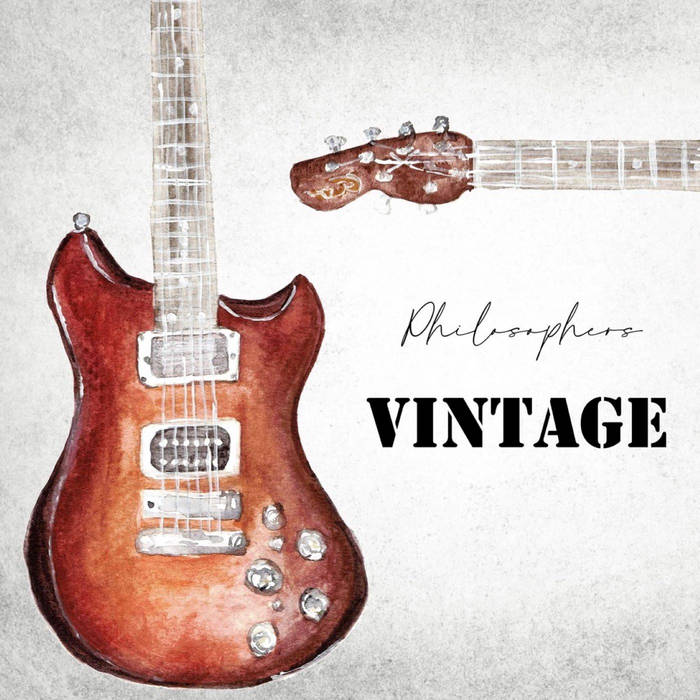
Philosophers: Vintage 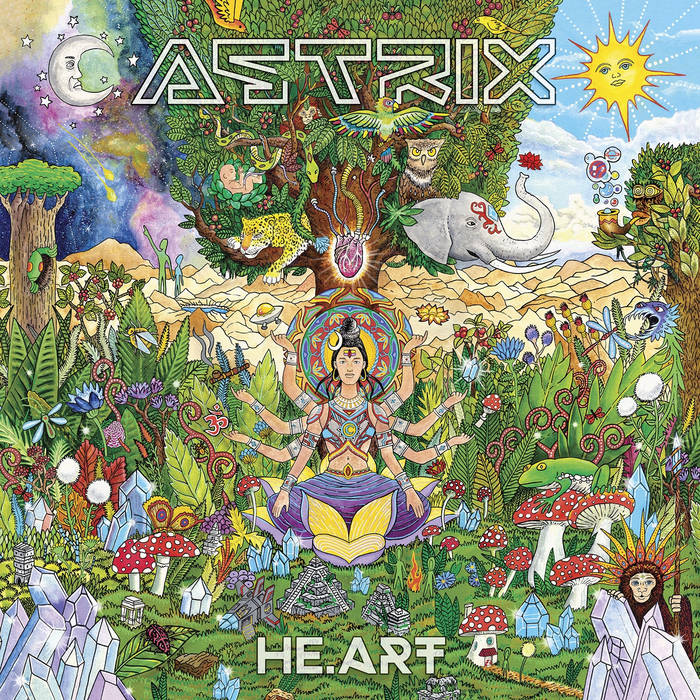
Astrix: He.art 
Lokkhi Terra meets Shikor Bangladesh AllStars: Ronger Duniya 
Žagar: Local Broadcast (Deluxe Version) 
La Femme: Psycho Tropical Berlin 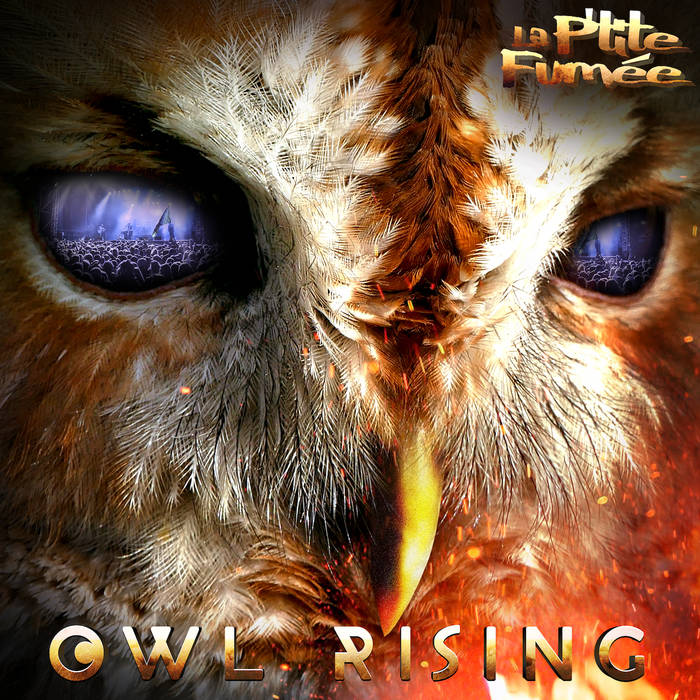
La P'tite Fumée: Owl Rising 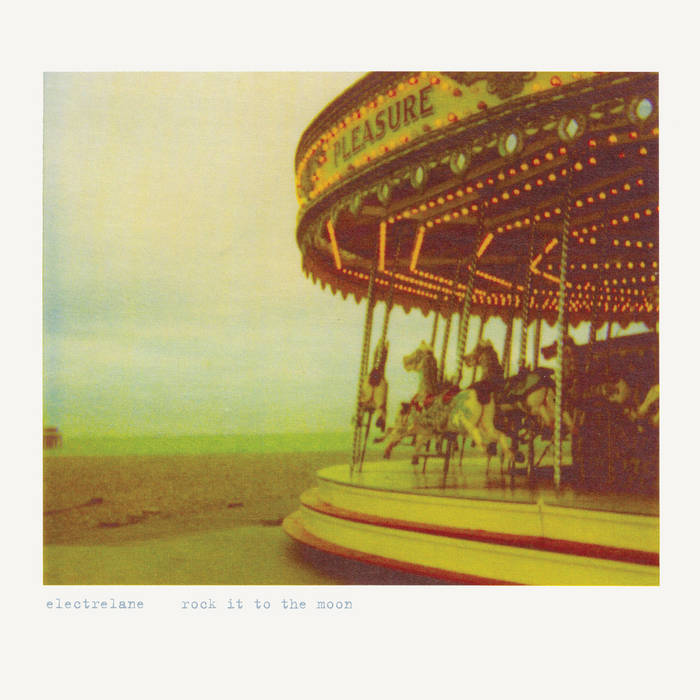
Electrelane: Rock It to the Moon 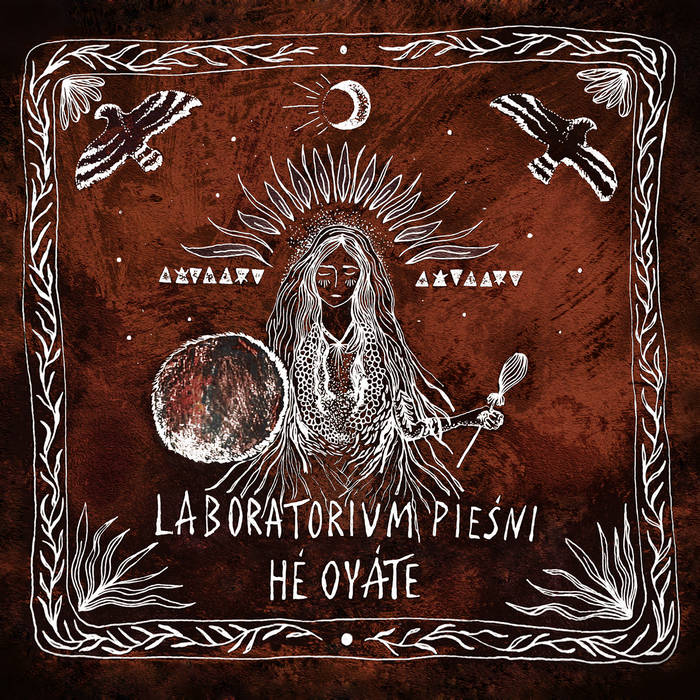
Laboratorium Pieśni: Hé oyáte 
Föllakzoid: V 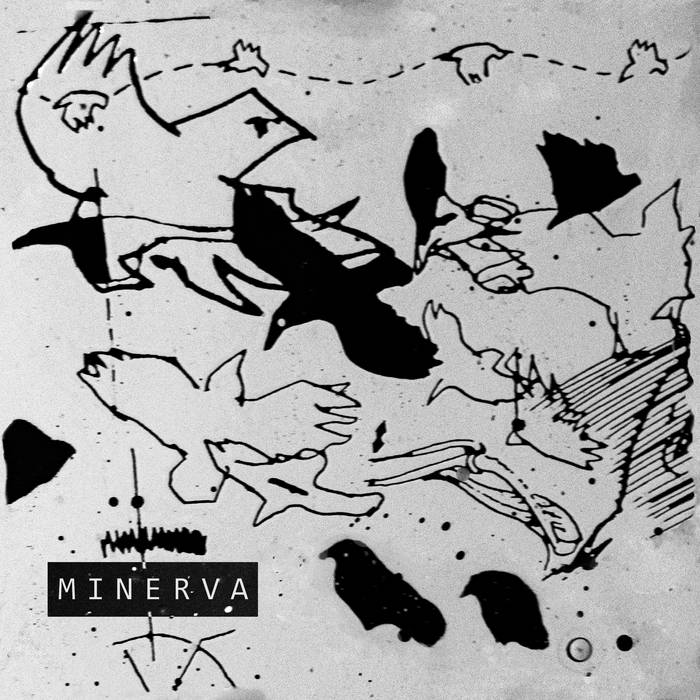
Villő: Minerva 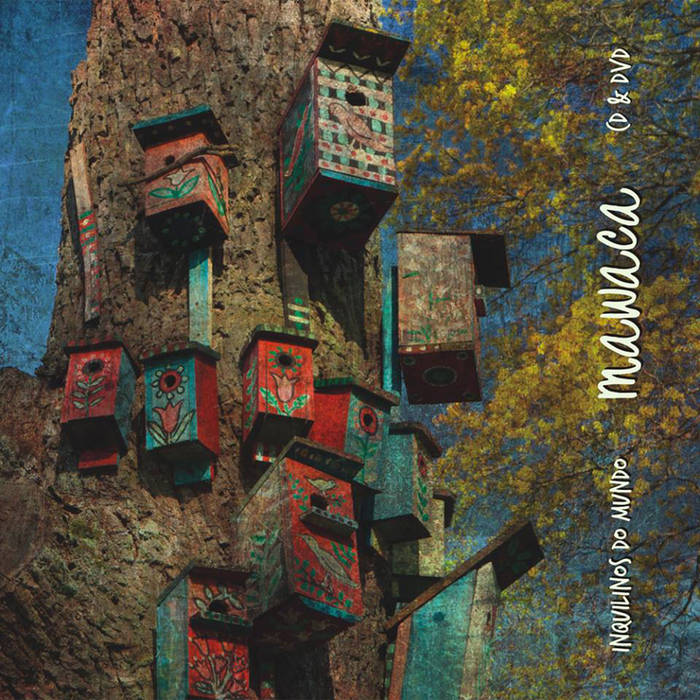
Mawaca: Inquilinos do Mundo 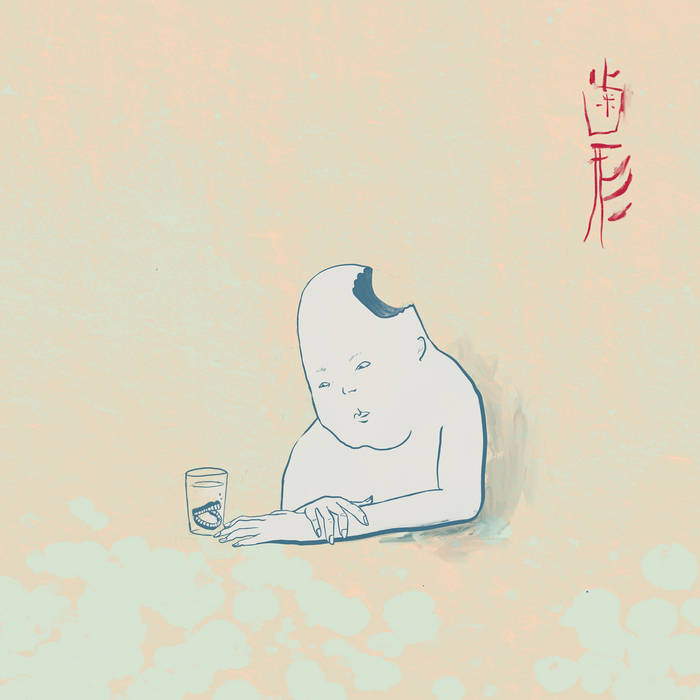
TEKE::TEKE: Hagata 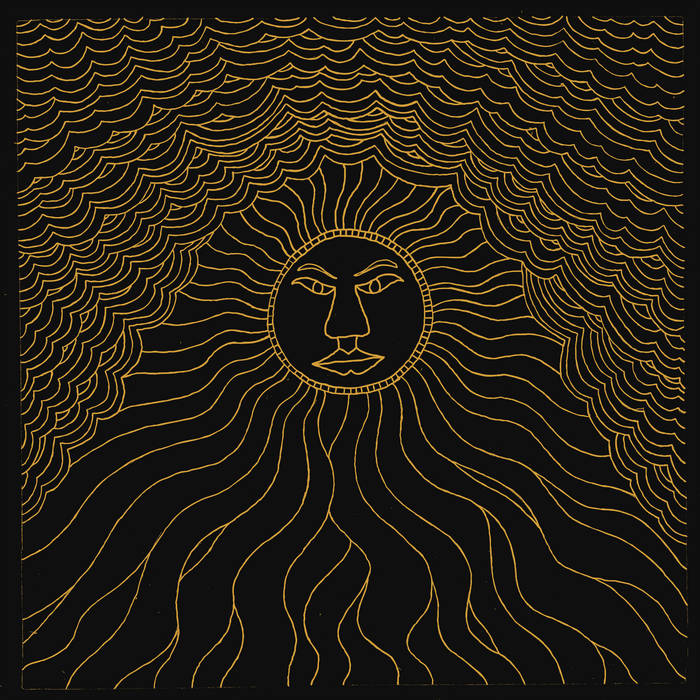
幾何学模様/Kikagaku Moyo: Mammatus Clouds 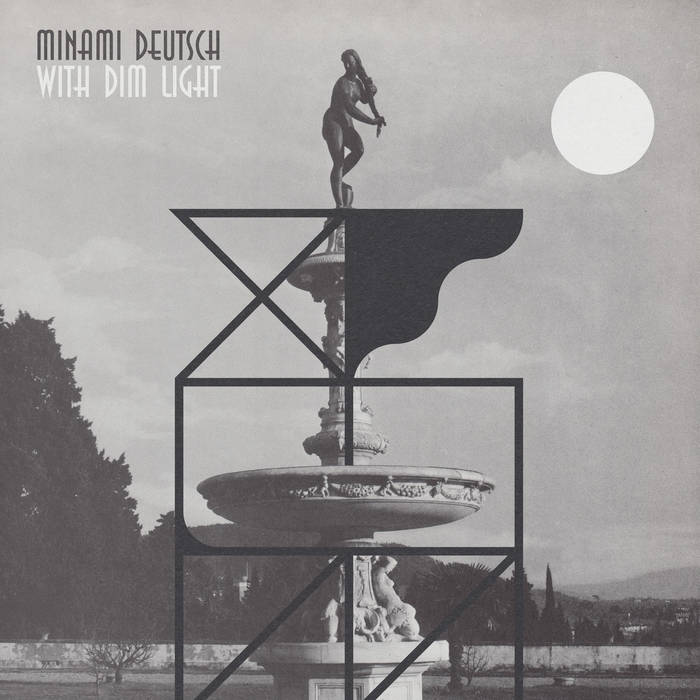
Minami Deutsch/南ドイツ: With Dim Light 
Wooden Shjips: West 
Hermanos Gutiérrez: 8 Años